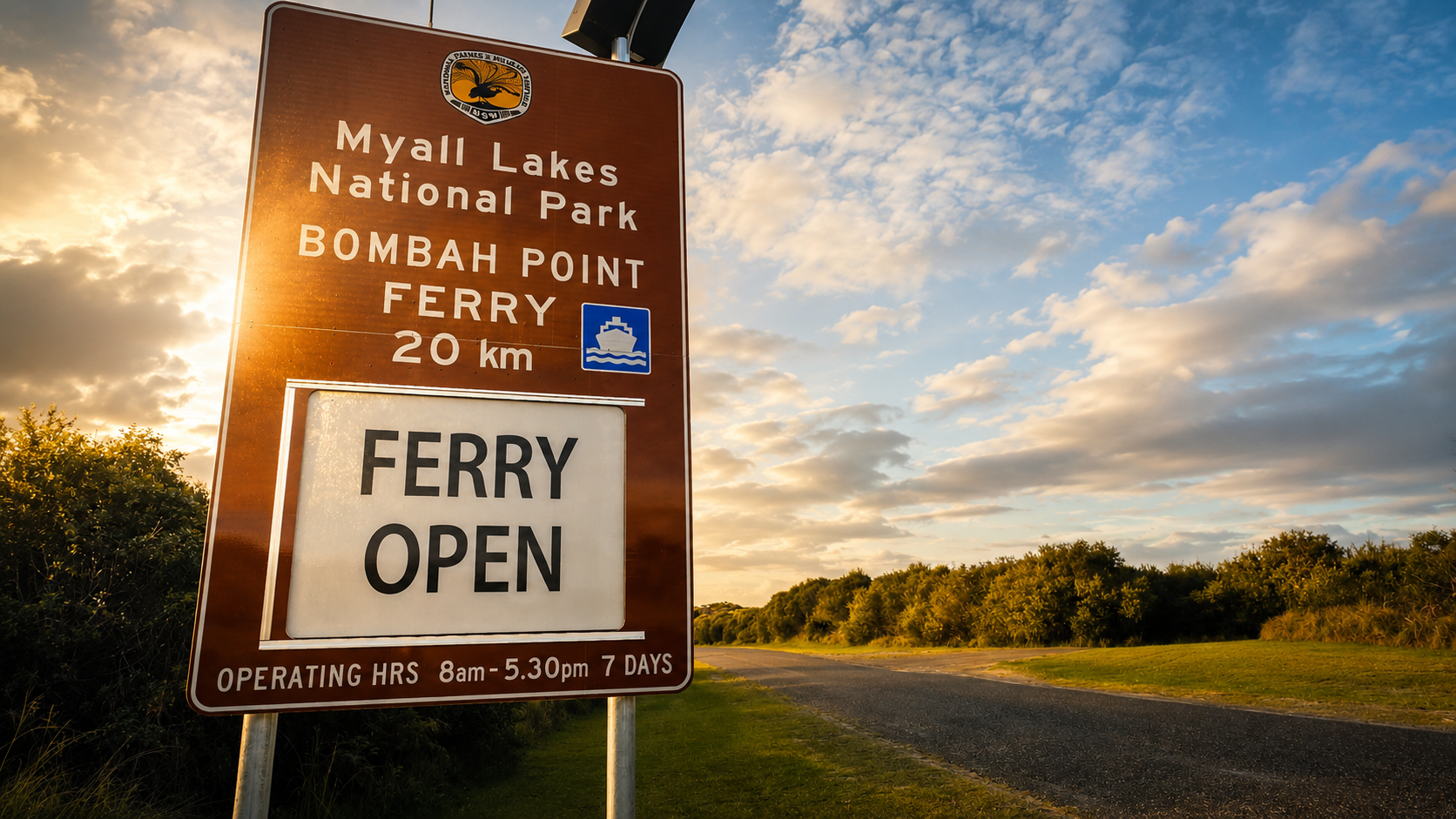
Visitors travelling through Myall Lakes National Park can now make more informed travel decisions, with new solar-powered electronic advisory signs activated to provide real-time information on Bombah Ferry operations.
The new smart roadside signs help drivers understand vehicle ferry crossing availability before committing to the journey, reducing unnecessary travel and improving safety for locals, tourists and commercial operators using one of the region's most important transport links.
For years, travellers faced uncertainty when accessing the Bombah Ferry crossing. Sudden weather changes, operational interruptions and scheduled service closures could leave drivers travelling up to 20 kilometres to the ferry only to discover the service was unavailable.
In many cases, this meant turning around and undertaking an alternative route adding up to 40 kilometres to their journey.
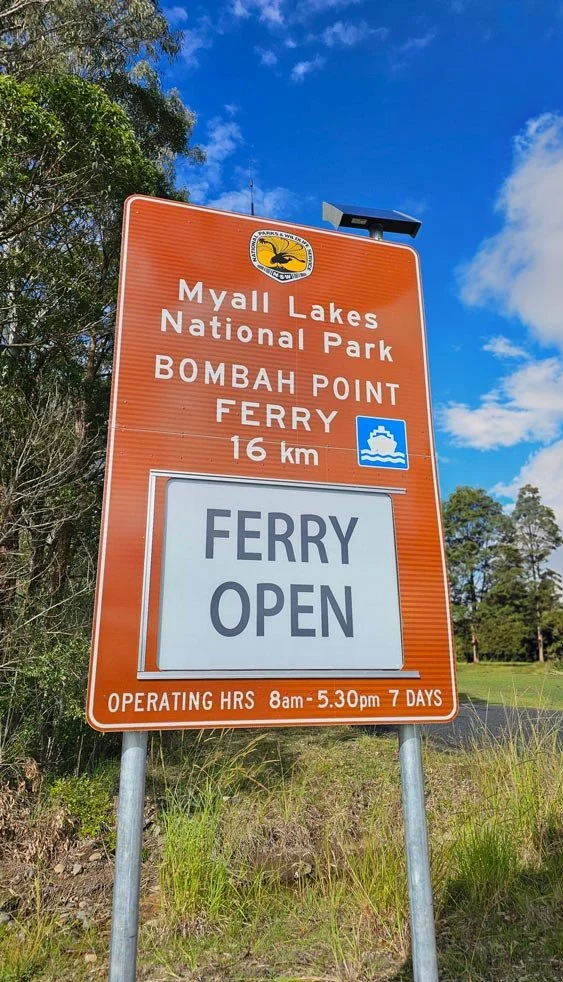
The new electronic signs provide real-time ferry status information, allowing motorists to make informed decisions before entering remote sections of the road network.
Installed at strategic locations approaching the ferry crossing, the signs can instantly display service updates including scheduled operating hours, temporary closures and operational interruptions.
The project was delivered for the NSW National Parks and Wildlife Service (NPWS) as part of ongoing efforts to improve visitor experiences while supporting the sustainable management of one of New South Wales' most significant natural environments.
Previously, roadside information relied on manually operated signs located many kilometres apart.
Every change in ferry status required staff to travel to the sites and physically update the signs, consuming valuable resources and creating delays between operational changes and public notification.
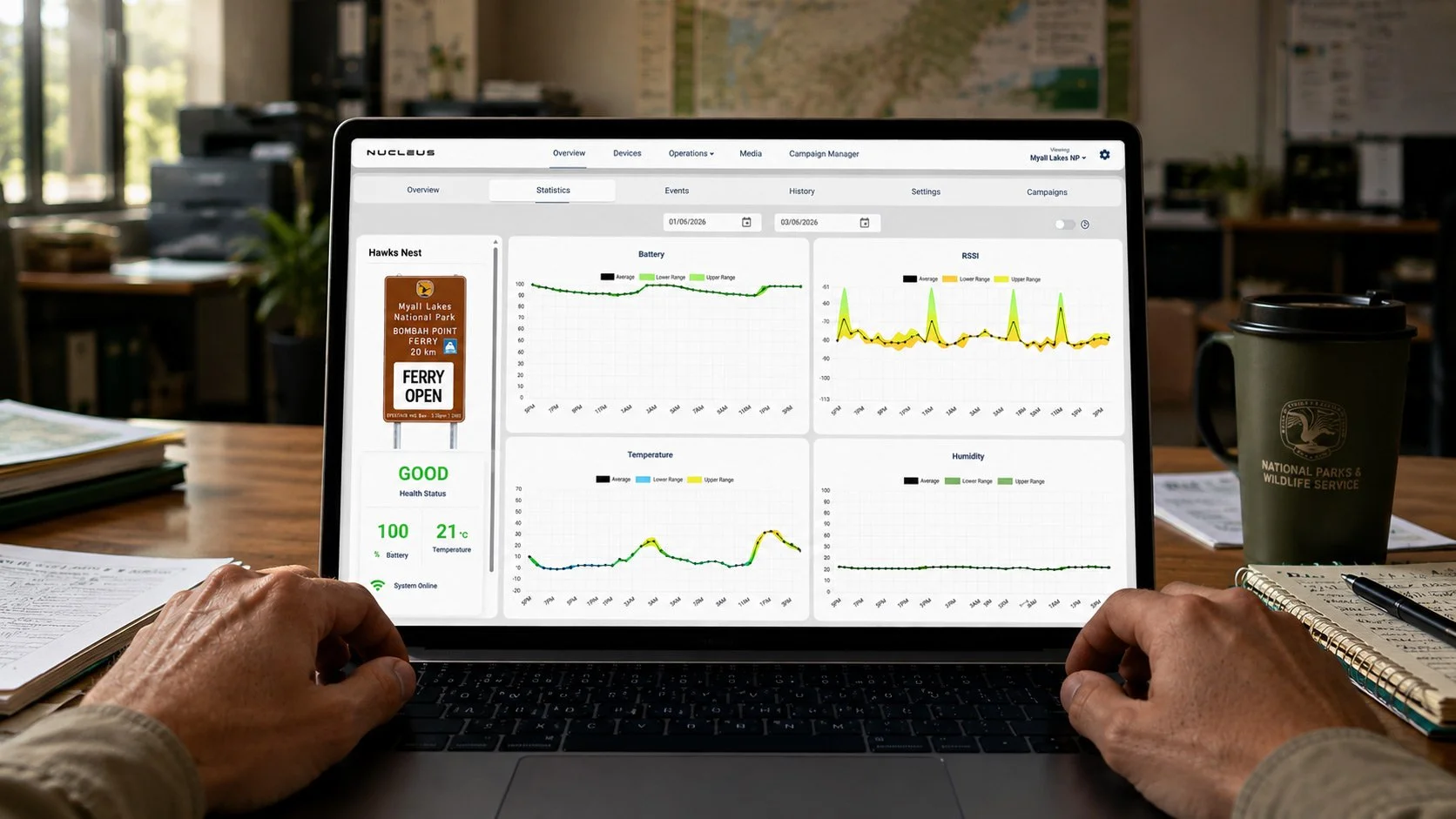
Now, updates can be made remotely through Mercury Innovation's NUCLEUS management platform, allowing information to be distributed immediately whenever ferry crossing conditions change.
The fully autonomous signs are solar powered and operate without connection to mains electricity, making them ideally suited to remote National Park environments.
Each installation combines large-format 42-inch E Ink electronic paper display with an integrated solar power system, delivering excellent readability in full daylight while consuming only a fraction of the energy required by traditional digital signage technologies.
The project also eliminates the need for daily maintenance trips previously required to update roadside information, reducing hours of staff travel and manual labour each day.
Sustainability Objectives
By reducing vehicle movements and eliminating unnecessary journeys for both staff and motorists, the project supports NPWS sustainability objectives while helping preserve the natural character of the park.
The lightweight design of the signs also avoided the need for major civil works, trenching or grid power connections, minimising environmental impact during installation.
Located amongst pristine beaches, wetlands and abundant wildlife, Myall Lakes National Park presents unique operational challenges where infrastructure must balance visitor needs with environmental stewardship.
The successful deployment demonstrates how modern, low-energy communication technology can improve public safety and customer information services in remote locations without compromising the surrounding environment.
Opportunities for Remote Information
The Bombah Ferry project also creates opportunities for similar real-time advisory systems across remote access roads, recreational areas, hiking networks and visitor facilities throughout National Parks and other regional destinations.
For visitors travelling through Myall Lakes National Park, the benefit is simple: reliable information when and where it matters most.
A Small Project with a Bigger Message
By providing real-time visibility of ferry crossing operations, the new smart signs help drivers travel with greater confidence, reduce unnecessary detours and ensure that journeys through one of New South Wales' most iconic natural landscapes are safer, more predictable and more enjoyable..